Walk into a cathedral and you lower your voice. Walk into a low, crowded office and you feel tired before you sit down. Nobody tells you to; the room does. Architecture is the slow work of deciding how people will feel in a place long before they arrive.
Height changes how we think
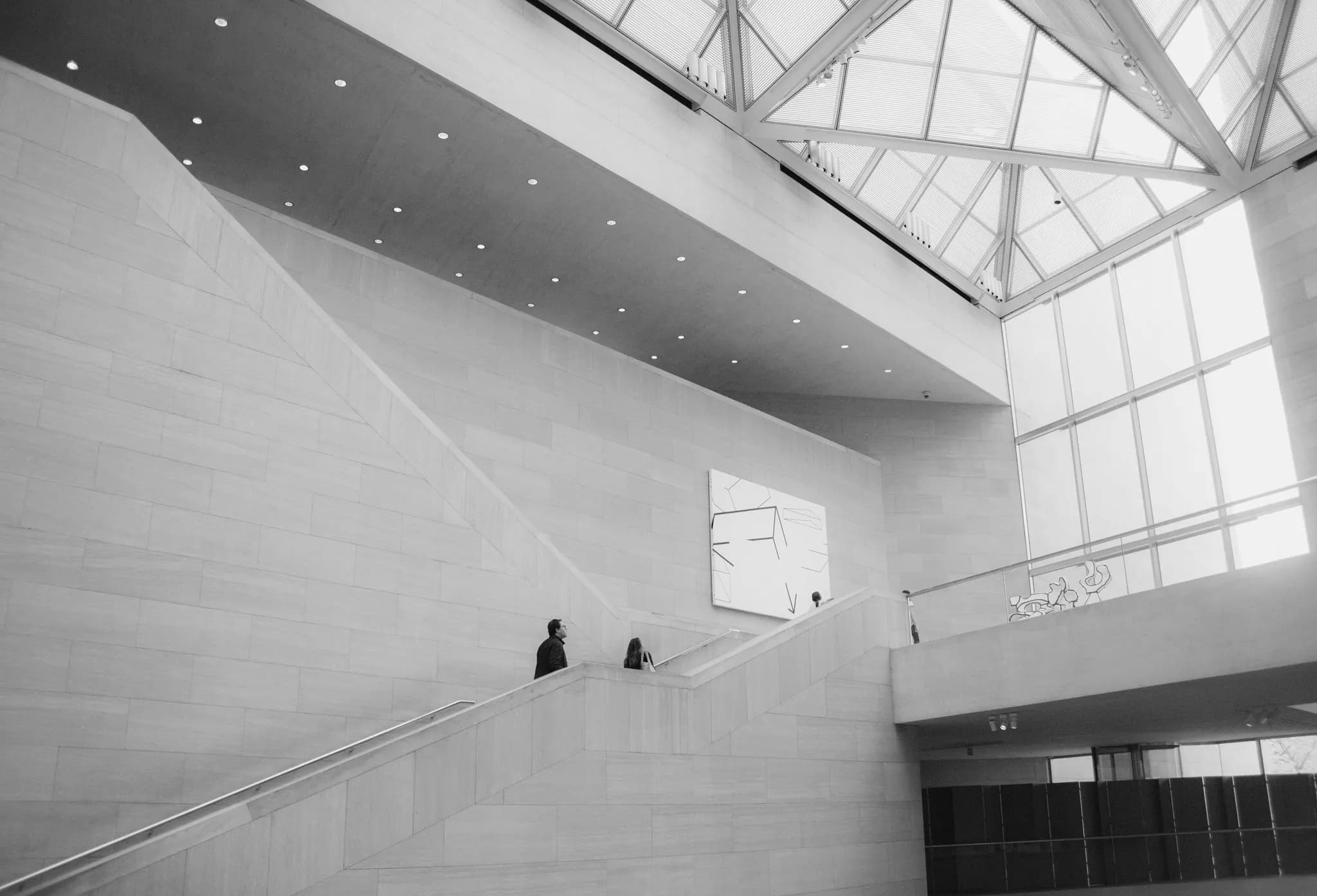
Studies of ceiling height suggest that people think more freely under high ceilings and focus on detail better under low ones. We use both on purpose: tall spaces where a team needs to think together, lower and quieter rooms where one person needs to concentrate. At Vertex Offices the central void is 7 m tall; the focus rooms around it are 2.6 m.
Daylight is the first material
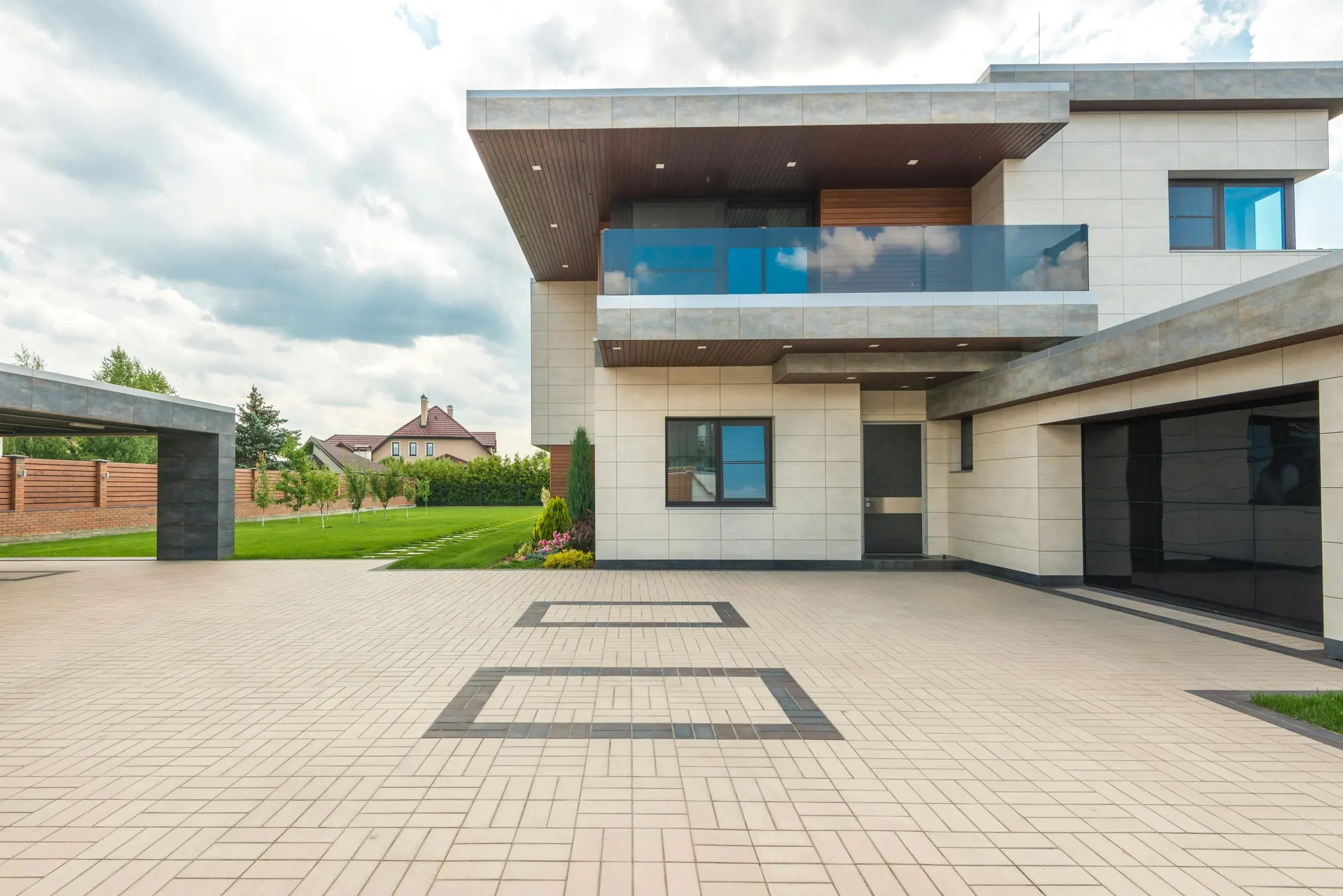
Every project starts with a sun study: where the light falls in December, where it burns in July. At Serenity Pavilion the roofs reach 2.4 m beyond the glass, so the summer sun stops at the terrace while the low winter sun reaches the back wall of the living room.
“We draw the sun before we draw the walls.”
What you hear is part of the room
A restaurant can look beautiful and still be unbearable. Sound is the part of a space most people only notice when it is wrong. At Urban Core we hid acoustic plaster in the ceiling and covered the booths in velvet, so a full room of 140 people stays below 68 dB: loud enough to feel alive, quiet enough to talk.
Good spaces rarely announce themselves. You stay longer, speak more softly or think more clearly, and you leave without knowing why. That is the work.